Trauma Is Not Your Identity -It’s Your Nervous System Asking for Safety
In the gentle, mindful rhythm of life in Thailand, healing is not seen as something you chase—it is something you return to. Yet many people still carry a quiet belief: that trauma is permanent, something that defines who they are forever.
But the truth is softer, and far more empowering.
Trauma is not your identity.
It is not a life sentence.
It is your nervous system doing its best to protect you.
In moments of fear, overwhelm, or emotional pain, your body activates powerful survival responses—fight, flight, freeze, or fawn. These responses are intelligent. They are not mistakes. They are your body’s way of keeping you safe.
However, sometimes these responses don’t fully complete. The body holds onto them, as if the moment of danger never truly ended. And so, even in safe environments, your system may still react as though you are under threat.
This is not because something is wrong with you.
It is because your nervous system has not yet learned that it is safe to relax again.
Why Trauma Can Feel So Permanent
Many people believe trauma lives in the past. But what we often experience is not the event itself—it’s the imprint left behind.
It can show up as:
- Anxiety without a clear reason
- Emotional numbness or disconnection
- Overthinking or constant alertness
- Difficulty trusting others
- Feeling unsafe even in calm situations
In a fast-paced environment like Bangkok, where the mind is constantly stimulated, these patterns can become even stronger.
But these reactions are not signs of weakness.
They are signs that your body is still protecting you.
Your system is simply repeating what once helped you survive.
Your Body Remembers What the Mind Tries to Forget
Trauma is not just a memory—it is stored in the body.
It lives in:
- Your breath patterns
- Your heartbeat
- Your muscles and fascia
- Your nervous system
This is why positive thinking alone doesn’t always work.
You cannot think your way out of something your body is still holding.
Your mind may say:
“I’m okay now.”
But your body may still feel:
Tightness in the chest
Shallow breathing
A heavy or restless energy
Your body speaks through sensation, not words.
And healing begins when you start listening.
Everyday Signs Your Nervous System Is Still in Survival Mode
Trauma doesn’t always appear as something dramatic.
It often lives quietly in daily habits and patterns:
- Saying yes when you want to say no
Avoiding opportunities out of fear - Feeling exhausted even without doing much
Overthinking simple decisions - Disconnecting from emotions
These patterns are not your personality.
They are protective responses that became automatic over time.
And what was once protection… can now be gently released.
Healing Is Not Erasing — It’s Recalibrating
Healing trauma does not mean forgetting what happened.
It means helping your nervous system understand:
“That moment is over. You are safe now.”
This process is called nervous system regulation.
When your system begins to feel safe again:
- Your breath deepens
- Your body softens
- Your mind becomes clearer
- Your reactions become conscious choices
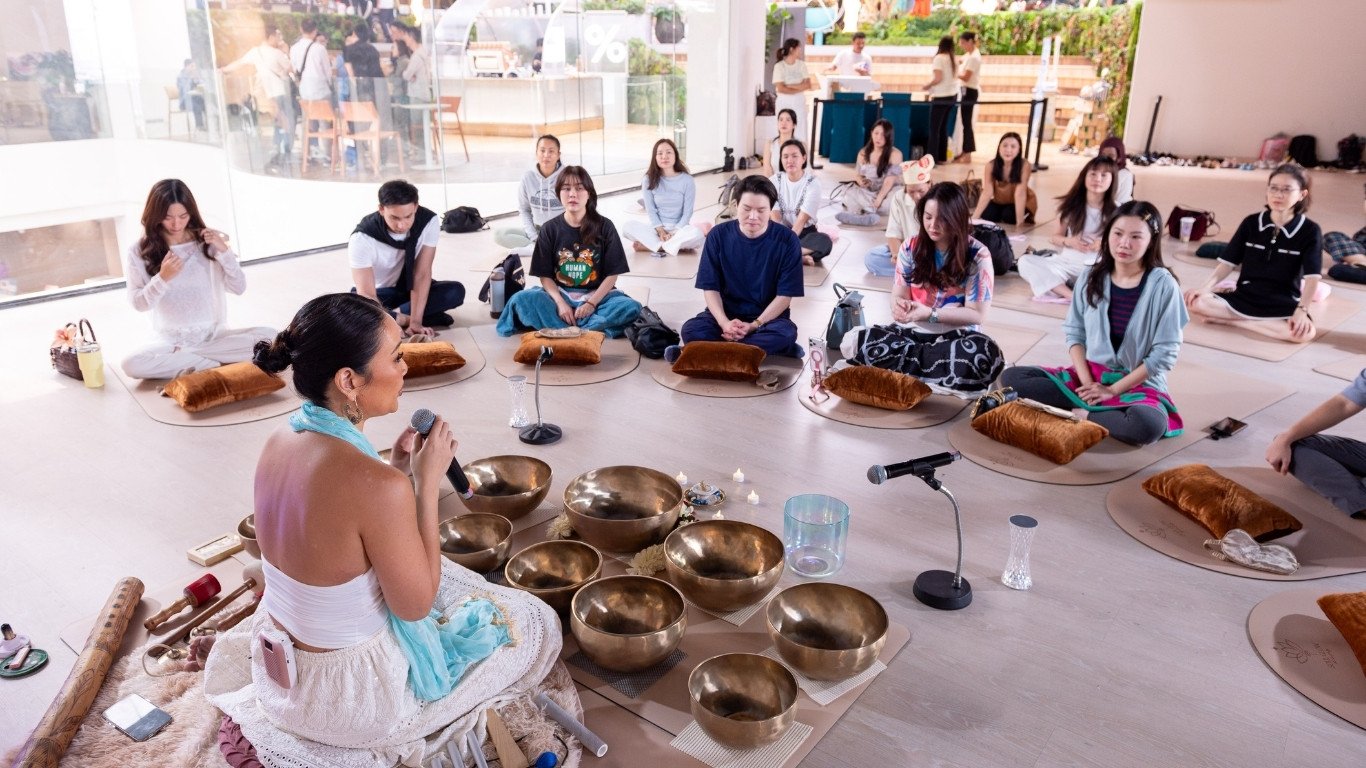
In Thailand’s wellness culture, this kind of healing is deeply supported through practices like meditation, breathwork, and sound healing.
Gentle Ways to Support Your Healing
Healing doesn’t require force. It begins with small, consistent moments of safety.
1. Create Micro-Moments of Calm
Feel your breath. Notice your surroundings. Sit in silence for a few minutes.
2. Connect with Sensation
Hold something warm, feel your feet on the ground, listen to calming sounds.
3. Allow the Body to Release
Movement, stretching, or even gentle shaking can help release stored tension.
4. Seek Safe Connection
Being around someone calm and supportive helps your nervous system relax faster.
5. Experience Sound Healing
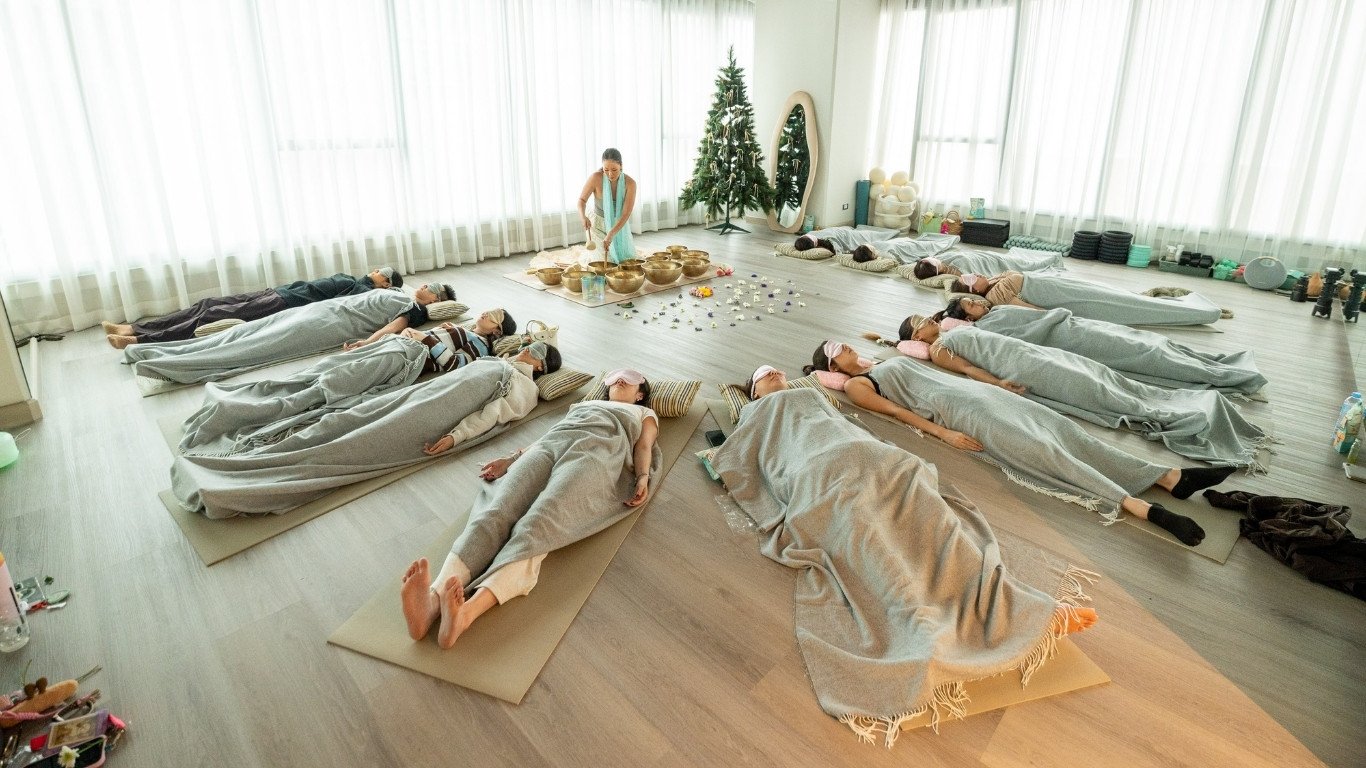
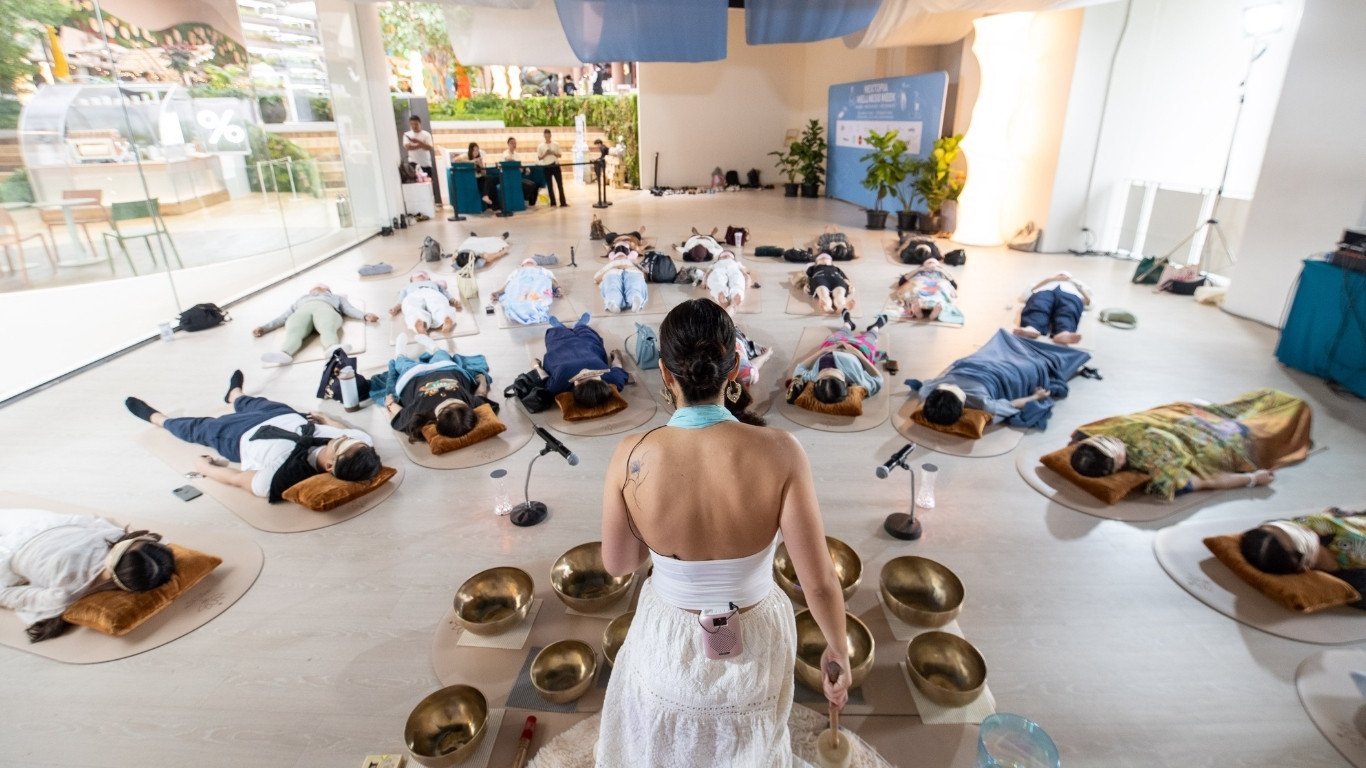
Sound therapy helps shift your body from stress into deep relaxation through vibration.
Coming Back to Yourself
Healing is not about becoming someone new.
It is about returning to who you were before the stress, fear, and protection took over.
When your nervous system begins to regulate, something beautiful happens:
- You feel more present
- You trust yourself again
- You respond instead of react
- You reconnect with your inner calm
You begin to realize:
- You are not your past
- You are not your patterns
- You are the awareness beneath it all
Why This Matters
A regulated nervous system changes everything:
- Your relationships become healthier
- Your decisions feel clearer
- Your energy becomes lighter
- Your creativity flows naturally
You move from surviving → to living
And in that space, life begins to feel more peaceful, more grounded, and more aligned.
Final Reflection
Trauma is not the end of your story.
It is simply a signal—from your body—asking for care, safety, and awareness.
Step by step, breath by breath, you can return to balance.
Because when your body feels safe, your mind softens.
When your mind softens, clarity returns.
And when clarity returns, you reconnect with your true self.